Article
The demise of purely rental income for retail space?
December 14, 2016
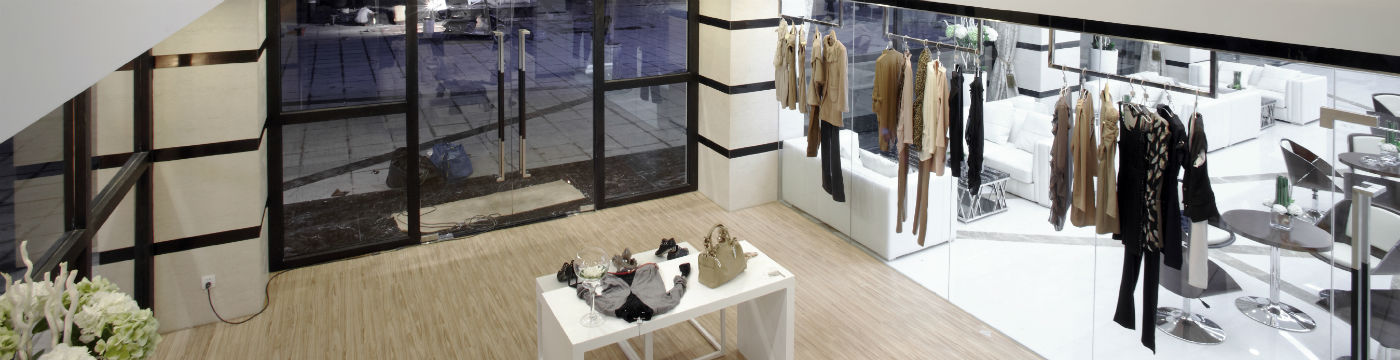
Yield at points of sale is structurally declining, leading to a downward pressure on rents. Landlords are now forced to rethink their sources of income.
The CEO of Ryan Air recently tossed up the idea of going from low-cost to no-cost. How does he imagine carrying passengers free of charge? By selling passenger traffic to airports, instead of paying the airport taxes they demand. It would then be up to the airports to take advantage of that traffic by leasing retail space.
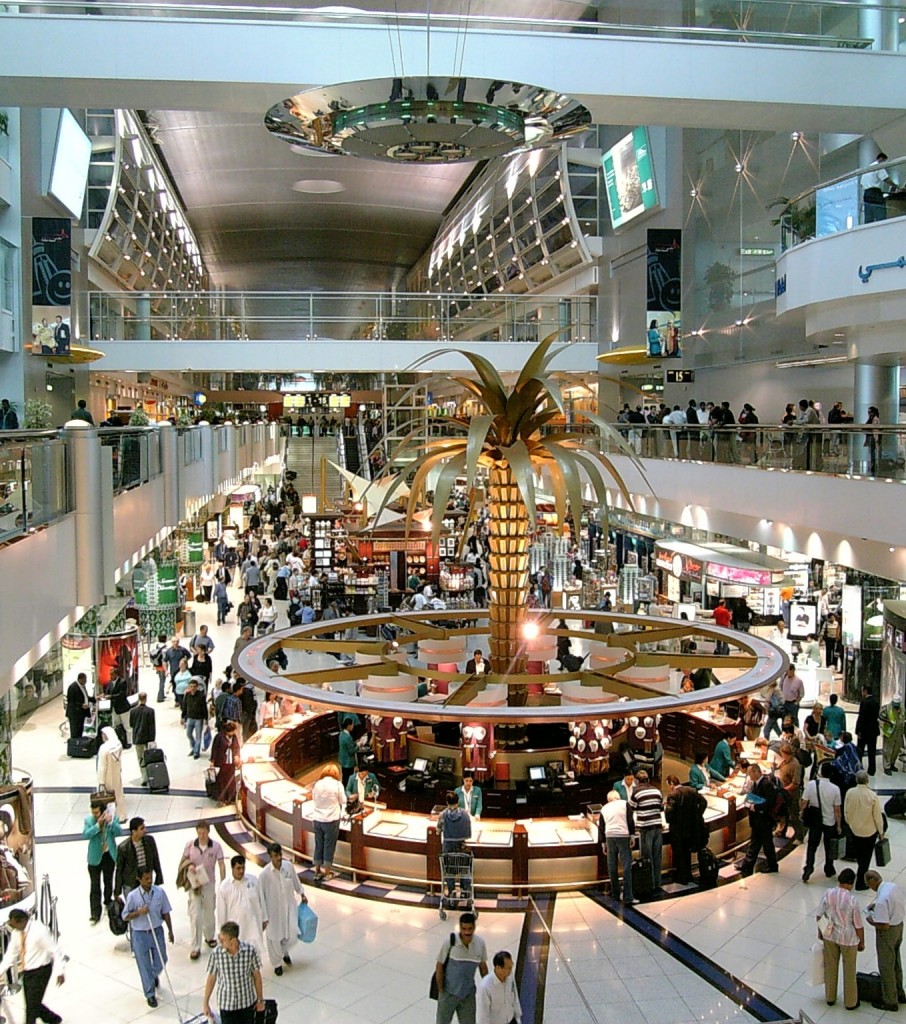
In other words, it would be up to the retailers to finance air travel!
This flies in the face of the harsh economic realities. Consumption is stagnating, footfall in shopping centres is on the decline, and a growing share of purchases bypass shops altogether. This obviously drives down yields on retail space but, at the same time, occupancy charges are rising. And yet retailers continue to develop their networks to preserve sales, while making strategic investments to keep pace with the digital revolution.
We can easily understand why retailers have toughened their stance in (re)negotiating the rental terms offered by landlords. Equally clear is why they are attracted, admittedly, to space in train stations and airports, where flows and yields are higher.
OK, flow is a good thing – but not at any cost!
Though it may not be mentioned in the lease or in the occupancy agreement, the contract is in fact all about flow. More than just space, the owner of the retail property is offering tenants a flow of customers. In shopping centres, anchor stores benefit from preferential terms because they themselves generate flow. As for the ‘trailers,’ they pay full price for that flow. Is it fair? So long as turnover meets expectations, the question isn’t on the table. But when sales slacken, when landlords have to make huge concessions to attract anchors, and bring in less lucrative leisure activities and restaurants, can retailers be asked to pay more?
Landlords will have to find new ways to monetize the flow generated by shopping centres.
And that’s precisely what they are doing, by bringing in pop-up stores and selling advertising space. Another possibility is collecting and selling data derived from the shopping centre’s customers. But it will no doubt take a more ‘disruptive’ approach: remember the very high-rent Bluewater shopping centre, opened in London in 1999, where the idea emerged to charge shoppers (all 27 million of them) an admission fee. The idea was deemed absurd at the time, but it was an early indicator of the need to – radically? – rethink rental valuation.
Insights in Your Inbox
Sign up for our Newsletter