Article
Thierry Cahierre
May 4, 2018

We are investing in cities open to the retail of the future
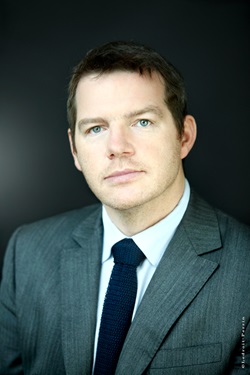
The European real estate company Redevco, specialised in retail properties, has just announced that it is creating, with PGGM, an investment fund of €550 million targeting the most promising shopping and leisure destinations in Europe. The fund is based on Redevco’s City Attractiveness research model. We asked Thierry Cahierre, the Managing Director for France, to talk about his vision for town centres.
How does Redevco’s City Attractiveness model work?
Over the past three years, we have analysed 825 cities in Europe, including 100 in France, based on numerous indicators. In addition to the standard data on population, the economy and the retail environment, we investigate all aspects that contribute to a town’s attraction: leisure, tourism, culture, heritage, town planning, etc. We use this information to try to identify as objectively as possible the cities offering a favourable environment for our current and future projects. We can also spot places that may not rank high according to some criteria, but which would be quite suited to a specific type of project, with a strong cultural or leisure element, for example. When we prepare a project, we take the results from our model and add a qualitative approach, which might include a review of comments shared on social media, for example. And, of course, we rely on the in-depth knowledge of our teams in the field who know the local context best.
As an investor on a European scale, what is your view of town centres in France today?
One thing we see in France is that most large cities, and nearly all regional capitals, have invested heavily in improving their city centre. In some cases, the situation was quite dire, but they have succeeded, over the course of a couple decades, in renovating their architectural and urban landscape in a truly extraordinary manner.
Unfortunately, smaller cities who tried to apply the same approach have often worsened matters by imposing certain constraints on their town centre, which only increased people’s desire to move to the suburbs, to have a house with a garden. Giving priority to public transport often hindered car access and parking. At the same time, retail lost its ability to attract customers to shops, and all these factors combined eventually led to desertification. Fortunately, some lessons have been learned and the State will be devoting €5 billion to town-centre revitalisation. Some cities have managed to implement well-designed, integrated policies. It has become something of a national priority.
What is your strategy for town centres?
It can be summed up in four points. First, we target cities ranked in the top 20 or 25 in terms of attraction. These are places that are prepared for the future, and which almost always have a healthy town centre. Second, we only design mixed-use projects, and we are open to any type of activity alongside the retail function. Third, the buildings should be iconic; they should contribute to the architectural quality and identity of the town centre. And, fourth, the project must benefit from a genuine partnership with the local authorities.
What do you mean by that?
Of all urban activities, retail is the most sensitive to its environment. We must humbly admit today that integrating retail in a town is a bit like performing a graft: it requires skill and care. It demands significant effort in many areas to attract consumers, and this depends on a comprehensive urban organisation that can only exist if the local authorities demonstrate a genuine desire for retail activities and promote policies to foster its development.
Insights in Your Inbox
Sign up for our Newsletter