Article
Despite enormous potential, data is still underutilized by cities
February 26, 2019
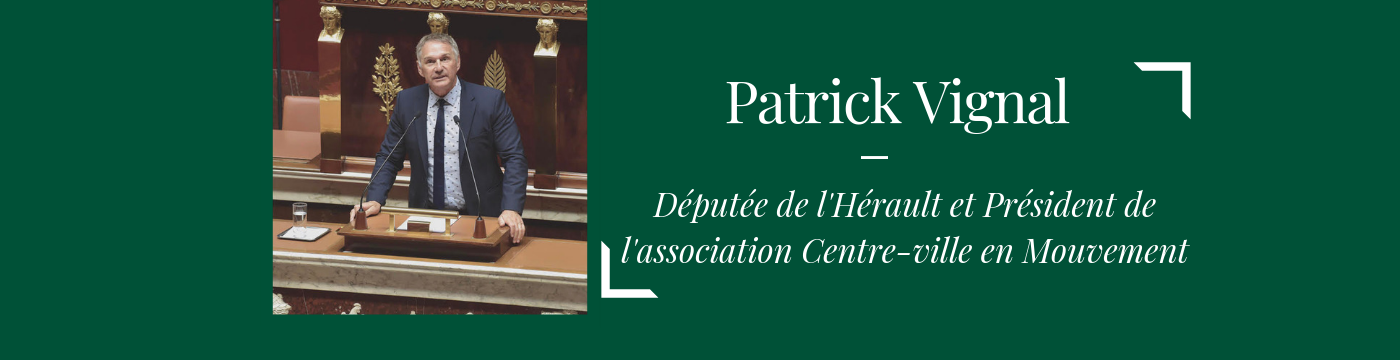
Patrick Vignal, MP for Hérault, is the president of the association Centre-Ville en Mouvement. In February, in Aix-en-Provence, they organised the first summit on city centre management, where the topic of data was addressed.
 Why did you choose to discuss data at your 2019 summit?
We’re always talking about the digital transformation, and data is presented as the third industrial revolution in progress. When it comes to city centres, data abounds in all areas—retail, housing, employment and so on. The question is no longer whether it has benefits, but how to exploit information assets to make the right decisions. Cities must learn to use it and create indicators, sharing their experiences to improve their practices.
Today, data remains underutilized by cities. The summit helped us understand the opportunities offered by geolocation and data from mobile phone operators. With it, we can know where visitors are coming from, how they come, when they come, the paths they follow, etc. We can better grasp the situation, follow trends and analyse in detail new developments and changes in habits.
It is particularly important since the figures often contradict our preconceived ideas. Just one example: When football fans have the choice to watch the semi-final of the World Cup on a giant screen in the centre of Aix-en-Provence or at Plan de Campagne (largest shopping zone in France), the former draws 50,000 people and the latter none. This information is key to understanding the role that the city centre plays. It is clear that the city centre creates a sense of belonging and that it is the emblematic rallying point of the entire city. The decline of some city centres, especially in small towns, is a fundamental problem that goes well beyond retail issues, though closed shops are certainly the most publicly visible symptom.
Insights in Your Inbox
Sign up for our Newsletter