Article
Investors who are more selective, expert and strategic
October 10, 2018
Investors who are more selective, expert and strategic
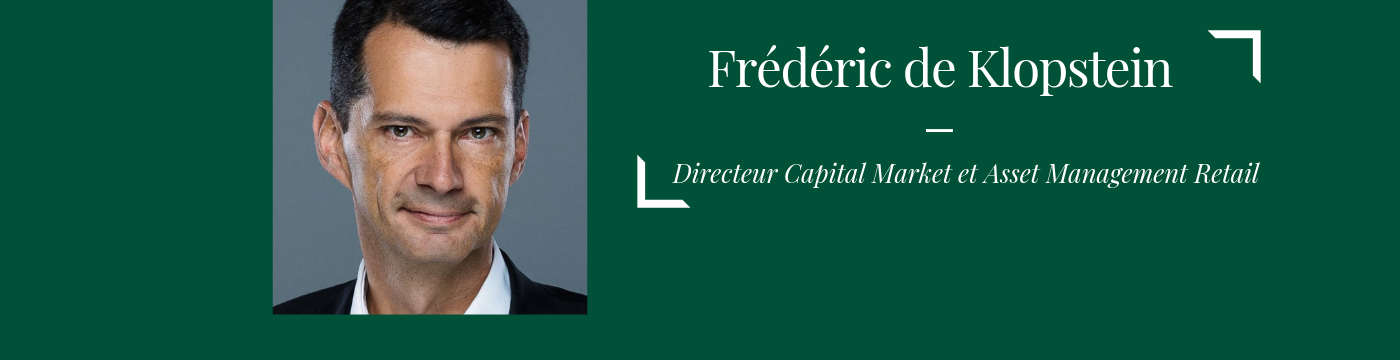
Frédéric de Klopstein just joined CBRE Retail to lead the Capital Market & Asset Management department. We asked him to comment briefly on market developments and the expertise that makes the difference.
 What trends do you see in the retail real estate market?
Investors have long been drawn to retail real estate for its relatively high yields (compared with other asset classes) and resilience during tough economic times. This is less and less true, and investors have become more cautious, understanding that transformations throughout the retail sector are affecting its real estate. As other asset classes are now buoyant, institutional investors are starting once again to take an interest in logistics and housing.
But the retail real estate market remains active, with €1.7 billion invested in the first half of the year, in line with the average observed over the past decade. This can be explained by the abundance of capital and very low interest rates. During this period, we have transitioned from an under-supply to an over-supply, which allows investors to be more selective.
What does this mean for retail real estate?
The market is strongly dominated by the so-called core assets. Transactions involving more risky assets—core +, value added or opportunist—have lower value and volume. Their value is, by definition, lower because the assets require investment for upgrades, and only buyers with all the necessary skills are prepared to take the risk. Such investors are rare, mostly because the retail segment currently suffers from a perception of high risk.
However, the number and variety of operators has given rise to increased market segmentation by type of real estate product: regional shopping centers, hypermarkets with shopping malls, retail parks, outlets and shops. The skills required are somewhat different, and operators should specialize to capitalize on their experience and optimize their management and allocation of resources.
Is the investment business consequently changing?
Selectivity has profound consequences for investors. They must first become retail experts or surround themselves with the best advisors to understand the increasingly complex underlying principles of their investments. They also need to adopt clear strategies in terms of risk and types of real estate products. Finally, the good old days of business plans relying solely on a regular increase in rents are clearly over. A good asset manager must be able to define an overall real estate project, a commercial revitalization strategy and a management approach that attracts and retains the best tenants in relation to the potential of the site and the desired rental yield. All this requires increasingly specialized expertise, as well as a broad vision, without which you cannot develop a strategy that creates value.
Insights in Your Inbox
Sign up for our Newsletter