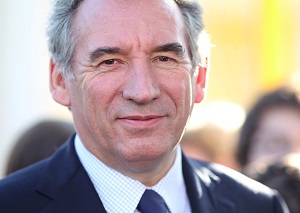
Video in French
Pau is now reaping the benefits of its overall strategy for revitalizing its city center. The mayor, François Bayrou, talks to us about it, citing the increase in visits to retail stores and the return of investors and businesses.
You say Pau is again attractive to retailers: What’s the proof?
There’s no lack of proof. You see the city center’s attractiveness in the frequency of visits and in the investment of economic stakeholders. Since its reopening last September, Halles de Pau has attracted 40 percent more customers than over the same period before redevelopment, meaning 32,000 visitors a week. Retailers on adjacent streets are already visibly enjoying this new driving force right in the middle of the city.
The net creation of retail stores in the city center has been positive for six consecutive quarters, and national retailers are setting up here, including KFC, Skill, Columbus Café, Zeeman, Comptoir de Mathilde and Pitaya.
Investor confidence is undeniable. Just look at BNP Paribas, which initiated the redevelopment of the shopping center La Promenade des Pyrénées. And Citynove, which manages the real estate assets of Galeries Lafayette, is going to relocate the department store to its beautiful historic building on Place Clemenceau, making it the flagship of the brand in the region. The building permit has been filed, and it is scheduled to open in 2021.
Success comes from a strategy. Can you describe it?
What we see happening today is the result of an overall policy of transformation of the city center. We wanted to give local residents a desire to live there, to stroll its streets. To achieve this, we acted on all fronts: rehabilitation of the historic district and housing in general, improvement of public transport—we’ll soon see the first rapid transit bus running on hydrogen—revitalization of public space, greening, parks, parking, culture, events and more. We invested several hundred million euros to restore the charm of the beautiful city of Pau, restoring its attraction for locals and tourists. And the returns on the investment are clear: in 2018, the population and enrollment in schools rose again. And tourism in the city has been increasing for 3 years, with 4.8 million visitors in 2018.
For retail, we listened to the needs of retailers and created favorable conditions for their business activities. The decision to develop Halles de Pau was founded on a strategic choice consisting in generating daily flows of shoppers in the city center. We also set up a retail service, a single entry point for project developers to streamline all their formalities. For 4 years, we’ve been supporting 30 retail establishments a year through various means, including assistance with buildings to adapt premises to the needs of retail stores. With the help of CBRE, we are reaching out to national and international retailers to encourage them to join us.
Apart from this proactive strategy, what differentiates Pau from other cities of comparable size?
I could talk about its climate and its geographical position, one hour from mountain resorts and the sea, but Pau is also a regional capital of a manageable size. It has developed on an exceptional industrial and agricultural base, with global leaders present in the area. They include the Total research center, the Safran helicopter engine plant and all the Airbus and Boeing landing gear, Euralis in the food industry, to name a few, generating many skilled jobs and management positions. Pau has also devoted resources to facilities for sports, culture, conventions, universities and more, which is quite exceptional for a city of its size. Finally, we have all the advantages of a big city without its downsides. Among the advantages, let me underscore the many high-quality events that attract visitors to our city every month, horseracing in January during the holiday season, the Pau Grand Prix, the Pau Horse Trials, a literary festival and others, including the Tour de France, which reserves its most prestigious stage for Pau.