Article
Aude Debreil
January 19, 2017

Managing Director of Sénart Public Development Agency
Ensure the means to adapt retail sites over time
Aude Debreil heads the Sénart Public Development Agency, which covers 10 towns in the Seine-et-Marne and Essonne counties.[1] She answers our questions on how planners approach the necessary adaptation of retail sites.
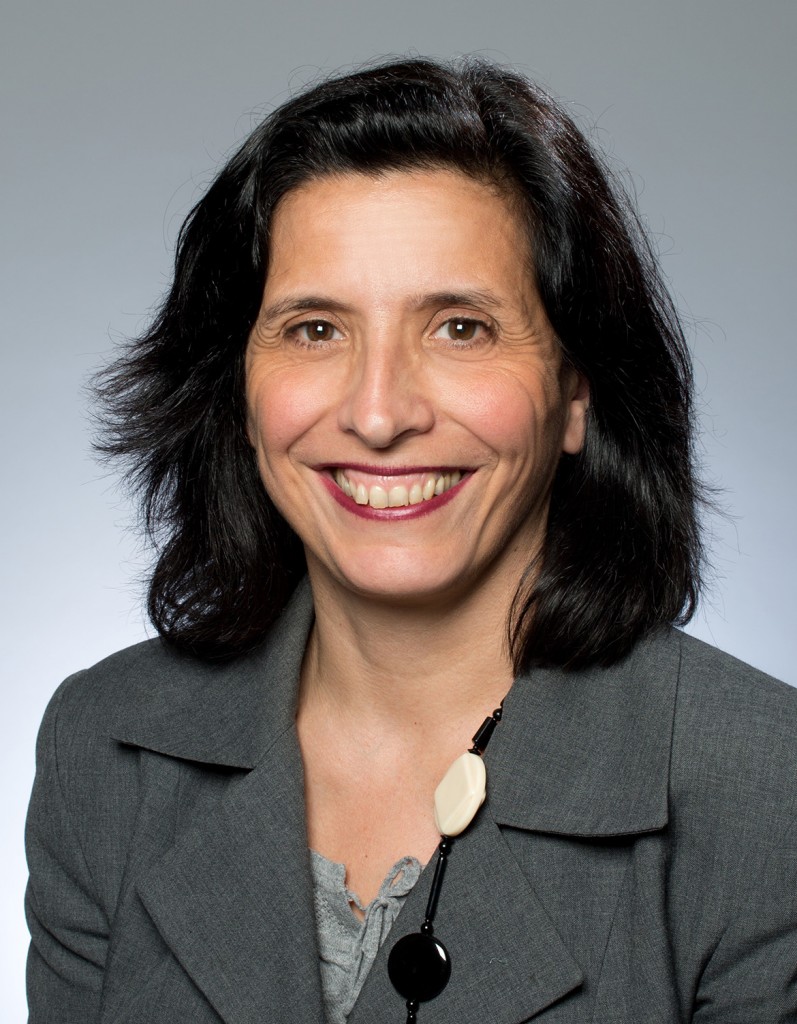
Aude Debreil heads the Sénart Public Development Agency, which covers 10 towns in the Seine-et-Marne and Essonne counties.[1] She answers our questions on how planners approach the necessary adaptation of retail sites.
This is an important question. At Sénart, we can see the impact of the changing retail environment, not only on the retail sites themselves, but also the knock-on effect across the broader territory. This is all the clearer to us since the agency has existed for 40 years and now has to return to areas we originally developed in order to adapt them. The question of change arises at every level, in the city, the outskirts and in regional shopping centres more distant hubs. My perspective is that, though we cannot always imagine the future and changes in lifestyle, we are responsible for ensuring the means of action to support and facilitate the necessary transformations.
What are these means of action?
When we work with developers, we take the initiative to build a partnership with them in order to share responsibility for the future. Without being naïve, of course, and wielding our authority through the specifications of building rights transfers and our land reserves in order to ensure the original commitments are met or updated. We are in talks with Unibail, which is making significant investments in Carré Sénart, as well as with Frey, which has just purchased the Maisonément retail park in Boissénart and wants to transform it. That’s great if it creates value, as long as it fits in with the urban environment and does not upset the local balance. That’s what we are discussing together.
Is it easy to maintain this balance?
No, of course not; it’s fragile. And, in order to better understand it, we must engage with all of the local stakeholders to reflect on potential trends, but the reform of local institutions has delayed these plans.[2] What we are observing, in any case, is the potentially heavy impact of a retail chain moving out or relocating, or vacant retail spaces in the city centre.
For example?
We are currently working on the transfer of a supermarket that intends to leave a town centre for a location in the outskirts. The town authorities are worried about the consequences and have asked us to take action to redevelop the original location and ensure the quality of the future location. Another example is a town preparing a city-centre renewal operation, while we are developing a new neighbourhood nearby. There will have to be retail in both projects, so the question is how can we create a local offer in the outskirts and at the same time revitalize the central area?
Retail issues have grown in complexity, becoming a recurrent focus of our work. We are trying to find ways to make developments more flexible, while helping towns to understand the changes in their environment in order to better anticipate them.
[1] Developed as part of the area known as Ville Nouvelle de Melun-Sénart
[2] The NOTR law reorganized communities of towns in the Paris area. The 10 towns of Sénart, and 14 others, became part of the Greater South Paris region on 1 January 2016.
Insights in Your Inbox
Sign up for our Newsletter